

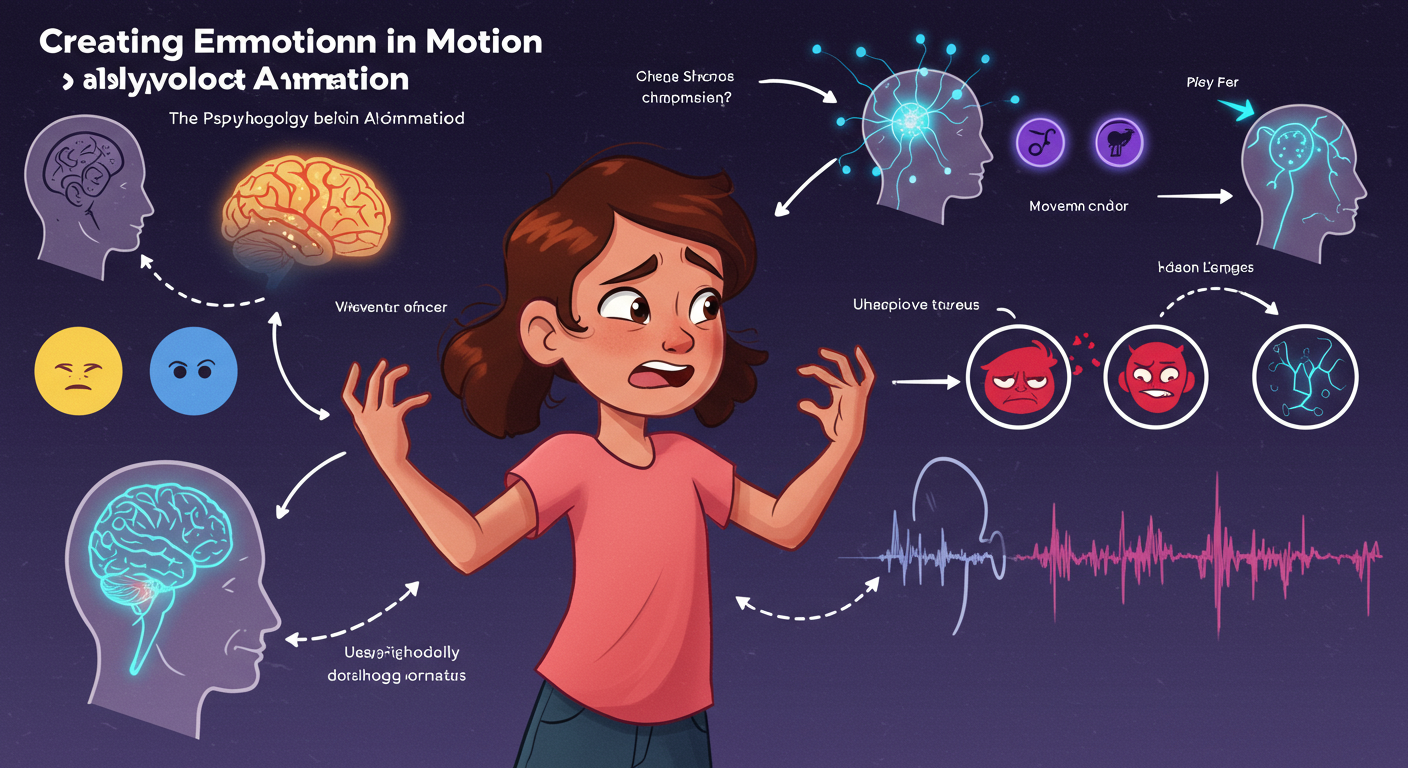
At its core, animation is more than movement. It is emotion in motion. Every bounce, blink, and breath can shape how an audience feels. That is why animation has become one of the most powerful storytelling tools available today. It taps into human psychology in a way that few other mediums can.
Understanding Emotional Cues
Our brains are hardwired to recognize faces, gestures, and expressions. Animation exaggerates these cues, making emotional intent clearer and more impactful. A character does not need to speak for us to know how they feel. A slump in posture, the speed of a reaction, or the softness of an eye blink tells us everything.
Animators use techniques like squash and stretch, anticipation, and timing to mirror real emotional behavior. When done well, these movements trigger empathy. Viewers are not just watching a character move—they are feeling what the character feels.
Color, Sound, and Mood
Colors play a silent yet loud role in emotional storytelling. Warm tones like red and orange suggest energy and urgency. Cool tones like blue and green create calm or sadness. Animators and designers carefully select palettes to match the emotional arc of a scene.
Sound design adds another psychological layer. A subtle violin swell, a heartbeat in the background, or the echo of footsteps can influence tension and tone. Paired with visuals, these elements create a complete emotional experience.
Your work is going to fill a large part of your life, and the only way to be truly satisfied is to do what you believe is great work. And the only way to do great work is to love what you do.
Steve Jobs
Why It Works
Psychologically, animation allows safe emotional projection. Viewers let their guard down with animated characters because they feel symbolic, not threatening. This creates space for deeper emotional engagement, even when the message is complex or difficult.
Think of animated films that made you cry, smile, or reflect. Chances are, those moments were not just about story. They were about motion—designed to feel human, even when the characters were animals, robots, or abstract forms.
Real Impact in Branding and Communication
Businesses are now using animation not just to explain but to connect. A motion graphic about climate change can stir urgency. A product demo with a friendly character can ease hesitation. These emotional bridges improve message retention and inspire action.
At Abbottwolf Studio, we have used these principles in everything from serious wartime documentaries to lighthearted app explainers. Every frame is intentional. Every motion has a purpose.
Closing Thought
Emotion is the secret ingredient that makes animation unforgettable. And when you understand the psychology behind motion, you stop animating for the eye—and start animating for the heart.