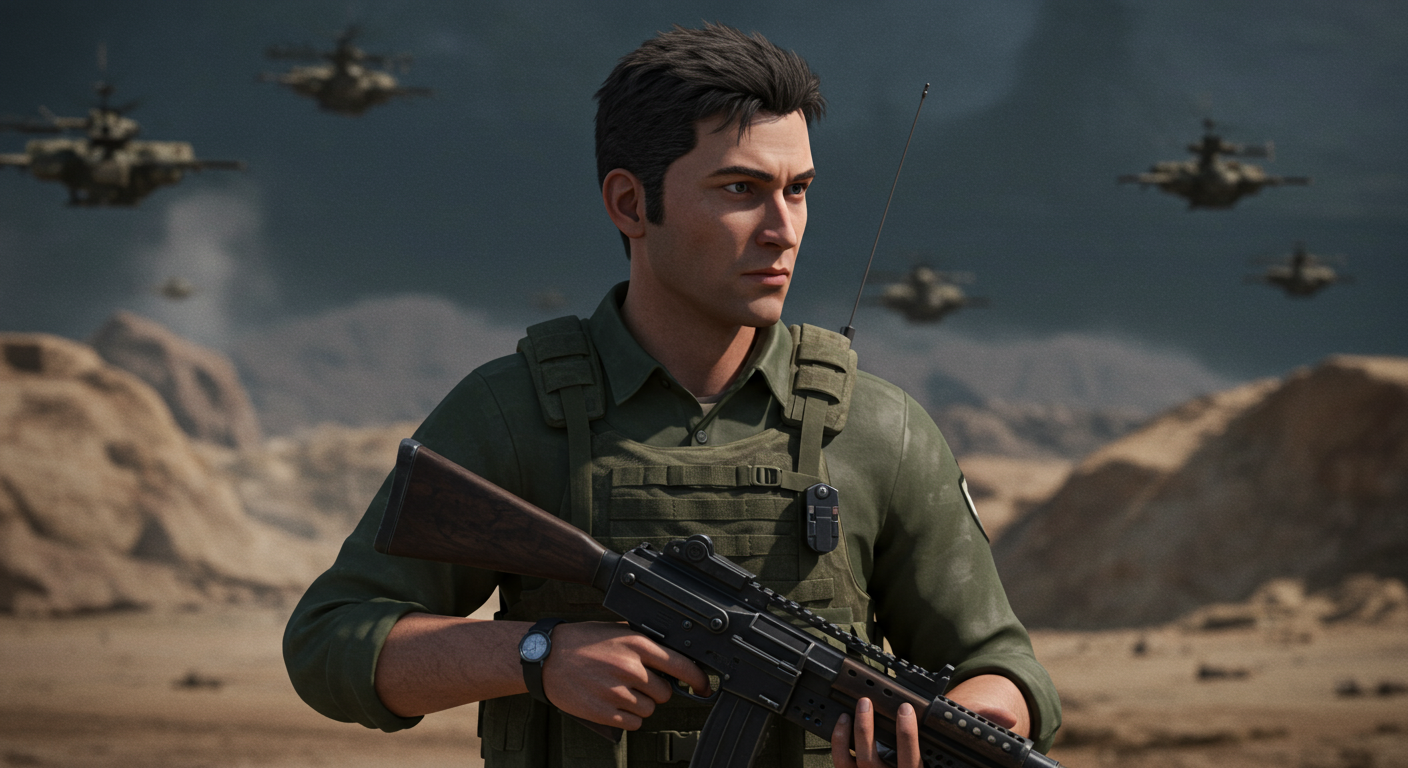
Creating a cinematic 3D war film is more than just rendering explosions and epic slow-motion shots. At Abbottwolf Studio, each short film in our “War-Room” series goes through a rigorous, layered production process—designed to blend historical authenticity with Hollywood-level visual storytelling.
Let’s take you behind the curtain.
The biggest adventure you can take is to live the life of your dreams
Oprah Winfrey
1. Research First: Truth Before Drama
Every project begins in the archives. We dig into:
- Declassified mission reports
- Eyewitness accounts
- Authentic military blueprints and maps
The goal? Recreate events like Operation Neptune Spear or Cold War spy extractions with the respect and accuracy they deserve—before the animation even begins.
. Storyboarding the Tension
Once the narrative is locked, we sketch each beat:
- Tactical room meetings
- Breach moments
- Helicopter insertions
- Emotional character reactions
We storyboard with cinematic pacing in mind, pulling influence from films like Zero Dark Thirty, 13 Hours, and The Hurt Locker.
3. Blocking & Layout in Unreal Engine
We build all environments in Unreal Engine 5, laying out:
- Buildings (based on real topography)
- Lighting that reflects time-of-day & mood
- Camera paths & lens types (yes, we “shoot” it like a film)
Plugins like Fluid Flux help us simulate dynamic environments—think waterfall scenes or rainy-night missions.
4. Mocap + Animation Layering
We use motion capture to bring realism to our soldiers, adding:
- Breathing, weight shifts, and eye tracking
- Subtle group dynamics in squads
- Layered hand-keyed moments for dramatic emphasis
Every frame matters when you’re portraying real tension under fire.
5. Texturing, FX & Atmosphere
This is where it gets cinematic:
- Dust, fog, and smoke layers for depth
- Dynamic muzzle flashes and tracer fire
- Realistic shaders for fabric, gear, and skin
Color grading and film LUTs are applied to make it look like a high-end Netflix docudrama.
🎧 6. Sound Design & Score
Sound sells the scene. We compose original scores inspired by Hans Zimmer, add:
- Gunshot reverb matching the environment
- Radio chatter and tactical commands
- Low rumbles and rising tension cues
It’s not just noise—it’s storytelling.