When most people think of animation, they picture cartoons, films, or game cutscenes. But animation has quietly expanded far beyond the entertainment world. Today, some of the most unexpected industries are using motion design, 3D visualization, and storytelling techniques to boost engagement, simplify complex ideas, and create stunning experiences.
Here are five surprising industries where animation is making a real impact.
1. Healthcare and Medical Training
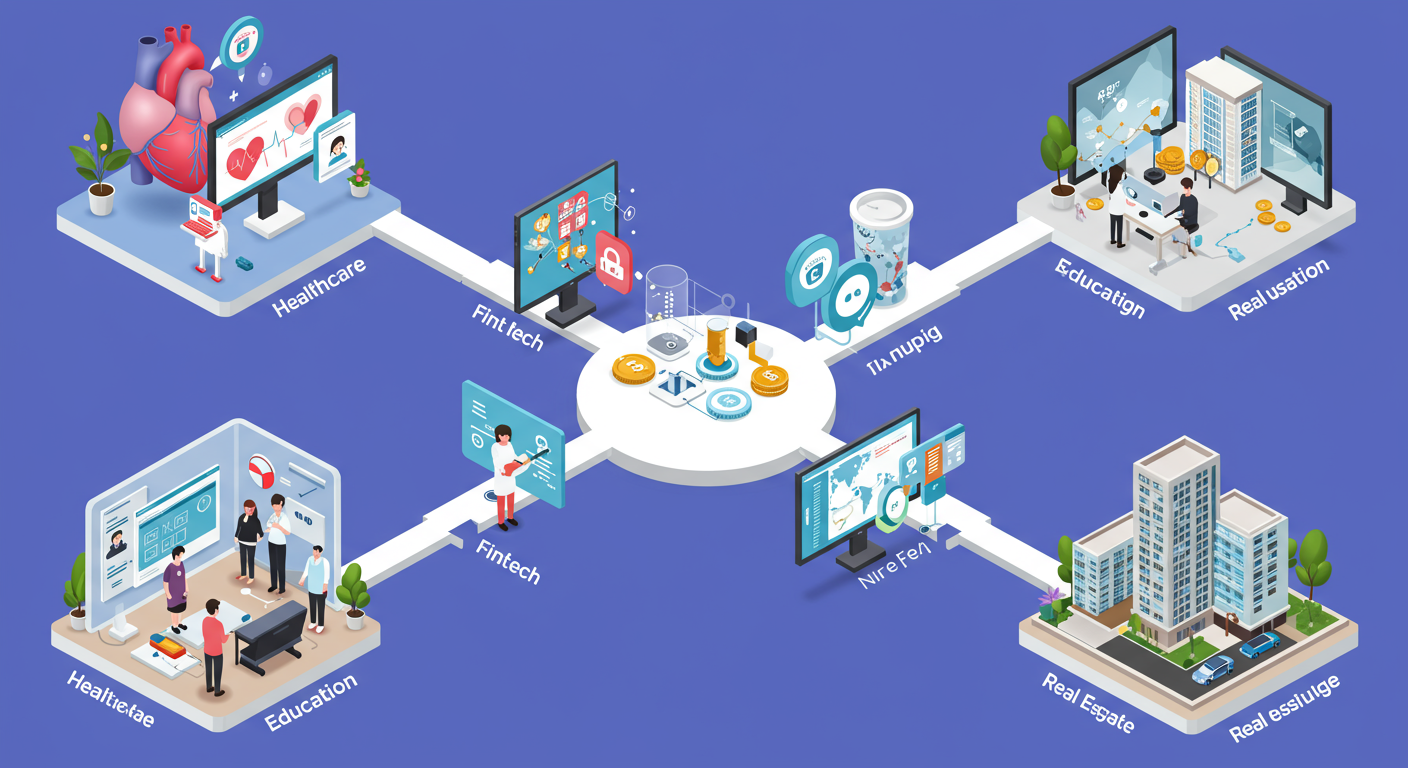
Medical animation is revolutionizing how healthcare professionals and patients understand the human body. Hospitals and biotech companies now use 3D animations to:
- Visualize surgical procedures
- Demonstrate how medications work inside the body
- Train medical staff using simulated scenarios
These animations are especially valuable for patient education, helping simplify complicated diagnoses and treatment plans in ways that are clear and reassuring.
2. Legal and Forensic Services
In courtroom settings, animation is becoming a powerful visual aid. Lawyers and investigators use it to recreate accidents, crime scenes, or timelines of events. By presenting information visually, it becomes easier for juries to understand the sequence and impact of incidents. It brings clarity to cases that would otherwise rely on lengthy verbal explanations or technical diagrams.
3. Architecture and Real Estate
Architects, builders, and real estate firms are now using architectural visualization and animation to bring unbuilt spaces to life. 3D walkthroughs allow clients to explore interiors, lighting setups, and landscapes before construction begins. For luxury real estate, animated flythroughs offer a high-end way to showcase properties online—often replacing traditional brochures or photos.
4. Finance and Banking
Banks and fintech platforms have started using animated explainers to demystify their services. Whether it is a breakdown of how interest works, a tutorial on using a mobile banking app, or a guide to crypto investing, animation helps translate intimidating financial concepts into approachable, digestible content. It also adds a layer of modern branding to companies that often struggle to appear user-friendly.
5. Manufacturing and Industrial Training
Animation plays a key role in industrial design, training, and safety demonstrations. Manufacturers use 3D visuals to show how machines operate, illustrate workflows, or guide technicians through maintenance procedures. Instead of dense manuals, they now use animated SOPs or digital twins to enhance efficiency and reduce errors in high-risk
Be the change that you wish to see in the world.
Mahatma Gandhi
Conclusion
The reach of animation is broader than ever. Whether it is a surgeon prepping for a procedure, a real estate agent selling a smart home, or a factory worker learning a new safety protocol—animation is reshaping how information is understood and shared.
It is not just for storytelling anymore. It is for solving real problems in real industries.
Would you like me to continue with the next blog or create an Instagram carousel or LinkedIn post out of this one?